


Exercise Bike Workout
Add a review FollowOverview
-
Sectors
-
Posted Jobs 0
-
Viewed 104
Company Description
10 Tips To Know About Stationary Bike
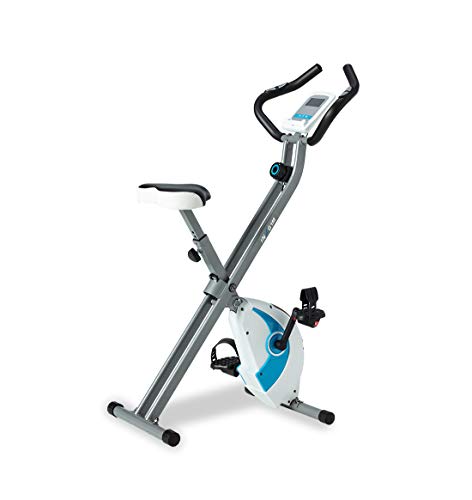
Understanding Stationary Bikes: A Comprehensive Guide
In the modern world, where fitness is becoming increasingly incorporated into our daily regimens, stationary bikes have become a flexible option for cardiovascular training. This article checks out the numerous types of stationary bicycles, their benefits, functions to consider when purchasing one, and how to incorporate them into your fitness routine.
Table of Contents
- Types of Stationary Bikes
- Benefits of Using a Stationary Bike
- Features to Consider When Buying a Stationary Bike
- Tips for Effective Cycling Workouts
- Frequently Asked Questions (FAQs)
1. Kinds Of Stationary Bikes
There are numerous kinds of stationary bikes available on the marketplace, each created to cater to various fitness levels and choices. Below is a summary of the main types:
| Type | Description | Perfect For |
|---|---|---|
| Upright Bike | Features a traditional bike design. The rider sits upright. | Individuals looking for a realistic biking experience. |
| Recumbent Bike | Provides a reclined seating position with a larger seat and back support. | Those with back concerns or those seeking comfort throughout exercises. |
| Spin Bike | Similar to an upright bike but developed for high-intensity training. | Fitness enthusiasts and those wishing to imitate outdoor cycling. |
| Double Action Bike | Consists of handlebars that move, supplying an upper body exercise also. | Individuals seeking a full-body workout. |
2. Advantages of Using a Stationary Bike
Utilizing a stationary bicycle for exercise offers various benefits for physical health and total well-being. Some of the essential benefits include:
- Cardiovascular Fitness: Regular biking reinforces the heart, improves flow, and improves aerobic capacity.
- Weight Management: Stationary cycling helps burn calories and preserve a healthy weight.
- Joint-Friendly: Cycling is a low-impact exercise, making it suitable for individuals with joint discomfort or injuries.
- Convenience: A stationary bike can be used indoors, enabling for exercises despite weather condition conditions.
- Personalization: Most stationary bikes provide adjustable resistance levels, accommodating different fitness levels.
3. Features to Consider When Buying a Stationary Bike
When picking a stationary bike, think about the following functions to guarantee you choose the model that finest matches your needs:
- Comfort: Look for a bike with an adjustable seat and handlebars to accommodate your body size.
- Resistance Levels: Check if the bike uses adjustable resistance to challenge your workouts.
- Show Monitor: A good display monitor shows essential metrics such as time, range, speed, and calories burned.
- Portability: If area is limited, consider a bike with transport wheels for easy movement.
- Service warranty: Look for a bike with a comprehensive service warranty to protect your financial investment.
Comparison Table of Key Features
| Function | Upright Bike | Recumbent Bike | Spin Bike | Double Action Bike |
|---|---|---|---|---|
| Convenience | Moderate | High | Moderate | Moderate |
| Resistance Levels | Adjustable | Adjustable | Adjustable | Adjustable |
| Keeping an eye on Display | Basic | Advanced | Fundamental | Advanced |
| Area Requirement | Low | Moderate | Moderate | Moderate |
| Rate Range | ₤ 200 – ₤ 700 | ₤ 300 – ₤ 800 | ₤ 300 – ₤ 900 | ₤ 400 – ₤ 900 |
4. Tips for Effective Cycling Workouts
To optimize your stationary bike workouts, consider the following pointers:
- Warm Up: Start with a 5-10 minute warm-up at a low resistance level before increasing intensity.
- Stay Hydrated: Keep a water bottle close-by and take sips throughout your workout.
- Differ Your Workouts: Incorporate interval training by rotating in between high-intensity bursts and healing durations.
- Listen to Music or Watch TV: Engaging your mind can help make exercises more pleasurable and distracting.
- Track Your Progress: Keep a log of your workouts and note enhancements over time to stay motivated.
5. Often Asked Questions (FAQs)
1. For how long should I utilize a stationary bicycle for efficient workouts?
For optimal outcomes, aim for 150 minutes of moderate aerobic activity weekly, which can be divided into 30-minute sessions five times a week.
2. Are stationary bicycles ideal for beginners?
Yes, stationary bikes are perfect for newbies due to their adjustable resistance and low-impact nature, making them simple to use at any fitness level.
3. Can stationary biking aid with weight-loss?
Definitely! Regular use of a stationary bike, combined with a balanced diet, can significantly add to weight reduction efforts by burning calories.
4. What should I wear when using a stationary bike?
Wear comfortable, moisture-wicking clothing and encouraging athletic shoes to guarantee an enjoyable exercise Bikes home experience.
5. Is it better to utilize a stationary bicycle or a treadmill for cardio?
It depends upon individual preference and fitness goals. Stationary bikes are lower effect and easier on the joints, whereas treadmills can provide weight-bearing workouts that may bolster bone health.
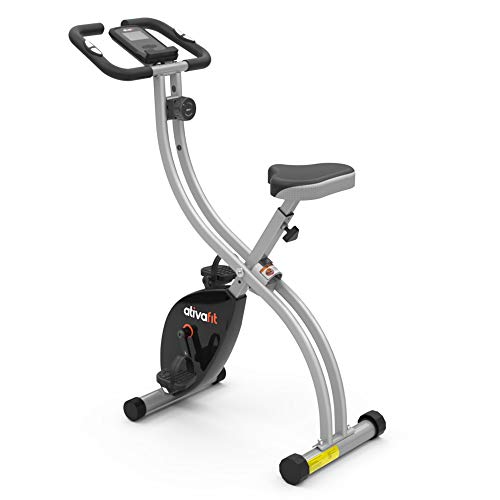
Stationary bicycles are a wonderful method to incorporate cardiovascular exercise into everyday routines. With different types readily available, along with special advantages and functions, selecting the best bike can boost fitness levels and improve overall wellness. By comprehending the performance of these machines and incorporating them into routine exercises, individuals can cultivate a much healthier lifestyle with each pedal stroke.